Avoiding Financial Disasters
-

How to Start a 501c3 Sports Nonprofit for Youth & Amateur Athletes
Thinking of starting a 501(c)(3) for your sports program? 🏆 Think twice before treating it like a standard travel team with a tax ID. The IRS scrutinizes sports nonprofits strictly under Rev. Rul. 65-2 and 77-365: 🔹 Teaching vs. Promoting: Qualifying programs must focus on broad instruction and youth development, not elite competition or selective…
-
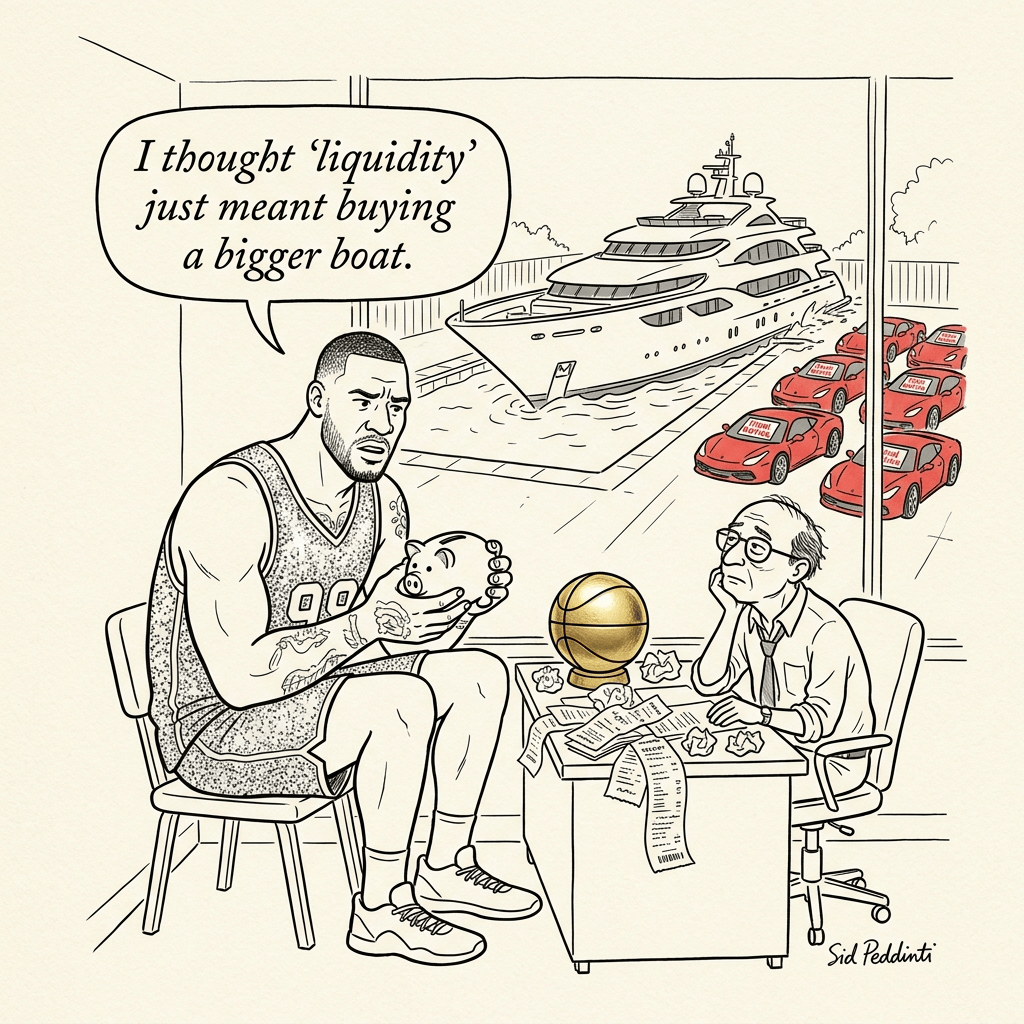
Wealth Preservation Strategies For Athletes: Mistakes To Avoid & Strategies To Deploy
Sid Peddinti explores the financial challenges professional athletes face in 2026, highlighting the paradox of sudden wealth and short careers. He outlines strategies for financial security, emphasizing the need for expert advisory teams, proactive planning, and financial literacy. His goal is to ensure athletes achieve lasting wealth and independence beyond their sports careers.
-

How Athletes Can Avoid Mistakes That Lead To Bankruptcy
Athletes often face financial collapse due to poor transitions from “temporary earners” to long-term stability. Implementing a “Double Bottom Line” strategy, which includes a Private Foundation and a For-Profit Holding Company, can safeguard wealth. Historical examples like Sprewell and Coleman illustrate the importance of structured financial management and asset protection.
-

Wealth Preservation for High-Earning Athletes: A Strategic Framework for Long-Term Financial Sustainability
Professional athletes face unique financial challenges due to short career spans of 3.3 to 5.6 years, necessitating a robust wealth preservation strategy. Key strategies include saving at least 50% of earnings, navigating the “Jock Tax,” utilizing specialized insurance, and establishing beneficial trusts in favorable jurisdictions for long-term financial security. Read more…
-

How Can Athletes Avoid Going Bankrupt Despite Earning Tens of Millions – Lessons From Looking At Chris McAlister’s Situation
Former NFL star Chris McAlister’s insolvency, despite earning over $45 million, exemplifies poor financial management. Key failures in entity structuring, cash-flow management, and tax planning led to his financial decline. To prevent similar outcomes, athletes must build robust financial frameworks, maintain anonymity, and integrate philanthropy into their wealth strategies.
Search
Categories
- Avoiding Financial Disasters
- For Student-Athletes
- For Universities
- History of NIL rights
- Monetization Options NIL
- NIL rights
- Uncategorized
Tags
ai artificial-intelligence business chatgpt college-football education football how does NIL law work name image likeness rights ncaa nil NIL rights sports student-athletes NIL technology what is NIL rights writing

